
the part of Expoglobal Group
Discuss your project
10 June 2026
Early Planning Prevents Costly Exhibition Stand Delays
Discover how early planning reduces risks, controls budgets, and leads to better exhibition stand outcomes — before production even begins.
When companies begin preparing for an exhibition, attention usually gravitates toward the final result — attracting visitors, showcasing products, generating leads, creating a strong brand presence.
But the outcome of an exhibition stand is frequently determined well before the event. It is shaped by decisions made months earlier, often in rooms far removed from the venue floor.
In the exhibition industry, delays and cost overruns rarely appear without warning. Most project challenges originate in the early planning stage. While production teams, logistics partners, and installation crews are often held responsible when problems arise, the actual root cause is typically insufficient preparation before the project formally begins.
For any exhibition stand contractor, early planning is one of the most decisive factors in project quality, budget management, and on-time delivery.
Why Timing Defines the Entire Project
An exhibition stand project involves far more than visual design. Behind every completed stand is a sequence of interdependent processes: technical development, structural engineering, venue approvals, material procurement, production scheduling, freight coordination, and multi-team installation planning.
Each phase depends on the one before it.
When planning begins late, even minor adjustments can trigger a cascade of consequences across the entire project. A change in stand dimensions requires revised technical drawings. Revised drawings require updated venue submissions. Approval delays push back production start dates. Production delays compress logistics windows. Installation timelines shrink.
Because exhibition dates are fixed, there is rarely enough room to absorb these compounding effects once deadlines begin slipping.
The Real Price of a Compressed Timeline
Many exhibitors assume that tight timelines primarily create pressure for the contractor. In practice, compressed schedules affect the entire project outcome — including the client.
Late-stage decisions typically result in limited availability of preferred materials, reduced time for quality checks during production, higher costs for expedited freight, and fewer options to refine technical solutions. For custom exhibition stands, these risks are amplified significantly.
Custom builds require unique fabrication processes, specialist finishes, purpose-built structures, and project-specific engineering calculations. Every change introduced after production begins carries a direct cost in both time and budget.
The result is a well-documented paradox: last-minute planning tends to increase project costs while simultaneously reducing the quality and flexibility of the final outcome. Modular systems offer somewhat more resilience here — as explored in this analysis of modular exhibition stands as a sustainable and adaptable format — but even modular projects benefit substantially from early preparation.
Approvals: The Factor Most Often Underestimated
For exhibitors at events in Dubai and across the UAE, venue approvals represent one of the most significant and frequently underestimated variables in project planning.
Major exhibition venues require detailed technical documentation before on-site construction is permitted. Depending on the stand configuration, this documentation may include structural drawings, engineering calculations, electrical schematics, material certifications, and fire safety compliance records. The Dubai Municipality maintains specific standards for event structures, and larger or more complex builds — double-deck stands, suspended elements, enclosed meeting rooms — often require more extensive submissions and longer review periods.
Companies that start planning early have adequate time to prepare documentation accurately, respond to revision requests, and resubmit if needed. Those who begin late frequently find that approval timelines become the critical constraint on the entire project — not production capacity, not material availability.
Early Planning as a Design Advantage
There is a dimension to early planning that goes beyond risk management.
When project teams have sufficient time, they can direct attention toward elevating the stand itself — refining visitor flow, strengthening brand storytelling, developing more effective product presentation zones, and designing meeting spaces that actually function during a busy event.
The result is not simply a stand that is delivered on schedule. It is a stand that performs more effectively when it matters. Thoughtful exhibition design, developed without time pressure, consistently produces stronger visitor engagement, more qualified lead interactions, and a more coherent brand experience throughout the event.
These outcomes are achievable when design decisions are made strategically. They become very difficult to reach when the same decisions are made under deadline pressure. You can see this difference clearly across our completed projects — the stands with the strongest outcomes are, without exception, the ones where the planning process started early.
Strong Projects Begin Before Production
Experienced exhibition stand builders recognise that the most successful projects start long before any material enters the workshop. The defining characteristics of efficient, well-executed projects are consistent: planning begins early, communication remains clear across all parties, and stakeholders align on expectations from the outset.
Whether the brief calls for a compact exhibition booth or a large-scale custom stand built to fill a significant floor area, preparation remains one of the most valuable investments a company can make before the event season begins.
The gap between a stressful exhibition experience and a successful one is rarely production speed. It is almost always how early the planning process began.
If you are preparing for an upcoming exhibition in the UAE, the Messe.ae team works with clients from the earliest stages of project planning — including technical feasibility, venue approvals, and stand concept development. Earlier engagement consistently produces better results.
Related: What happens when your exhibition stand contractor outsources without telling you
Next articles
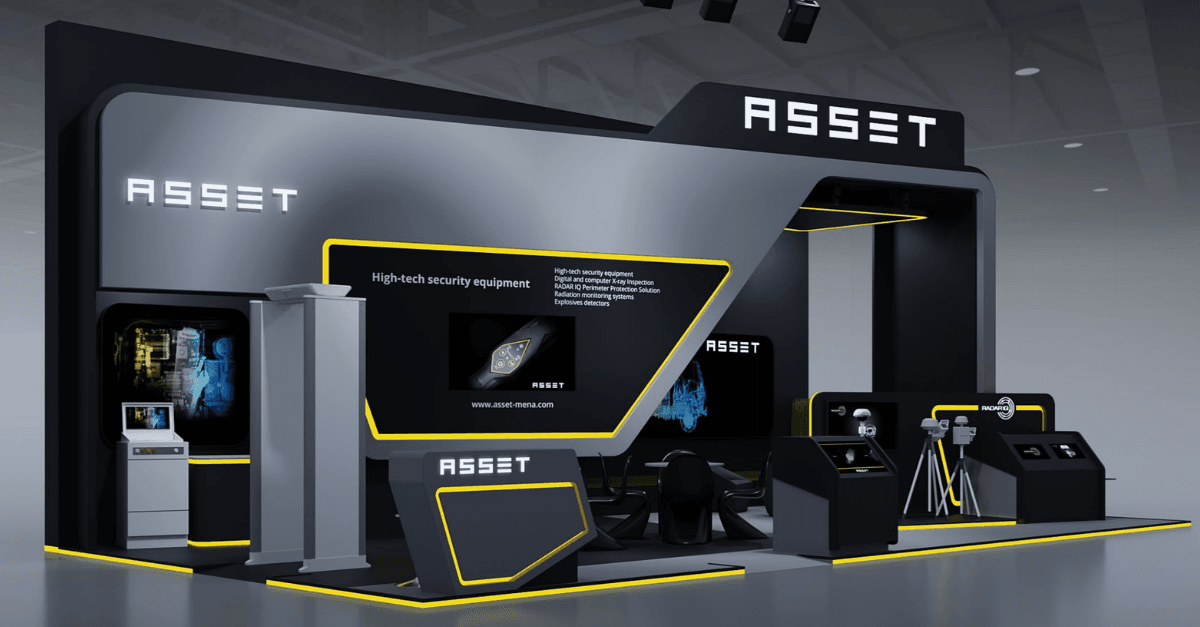
When your exhibition stand contractor outsources without telling you
20 May 2026
Read article
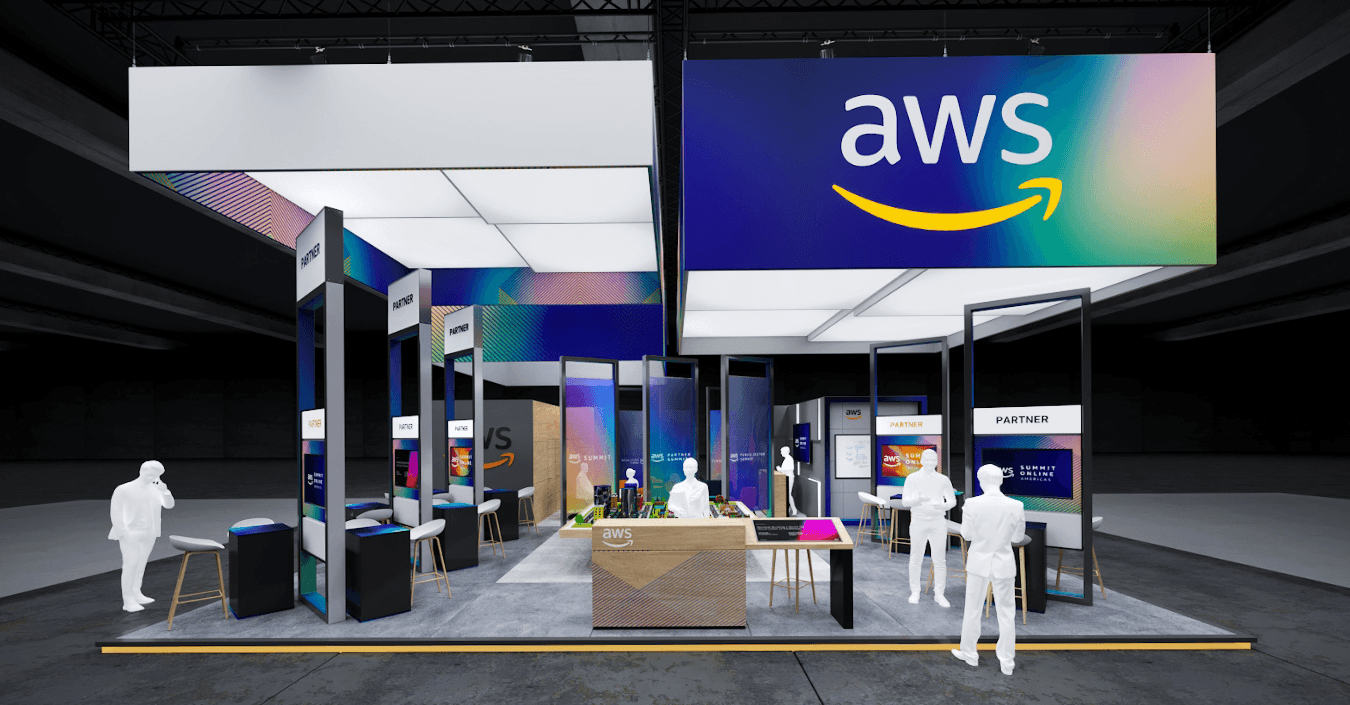
Exhibition stand approvals and regulations in Dubai, UAE: A strategic guide for brands
29 April 2026
Read article
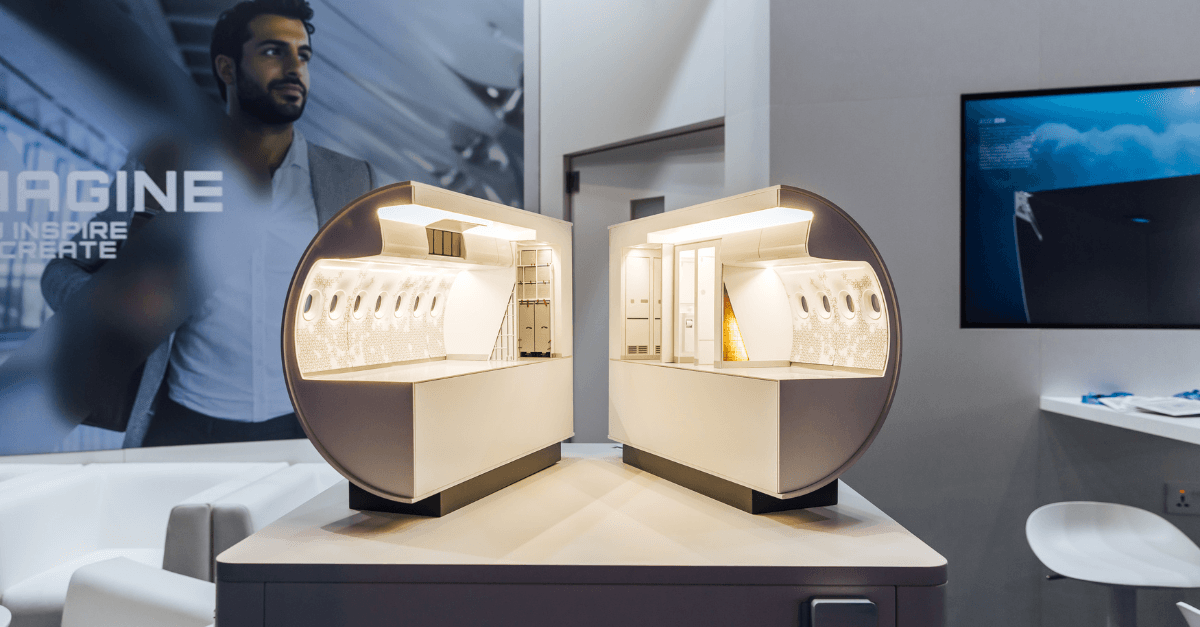
Dubai exhibition stands: Choosing between local and international builders
8 April 2026
Read article